Nature & Wildlife of Gabo Island
Surrounded by rich ocean currents in the Tasman Sea, Gabo Island is one of south-eastern Australia’s premier island wildlife refuges.
Birds of Gabo
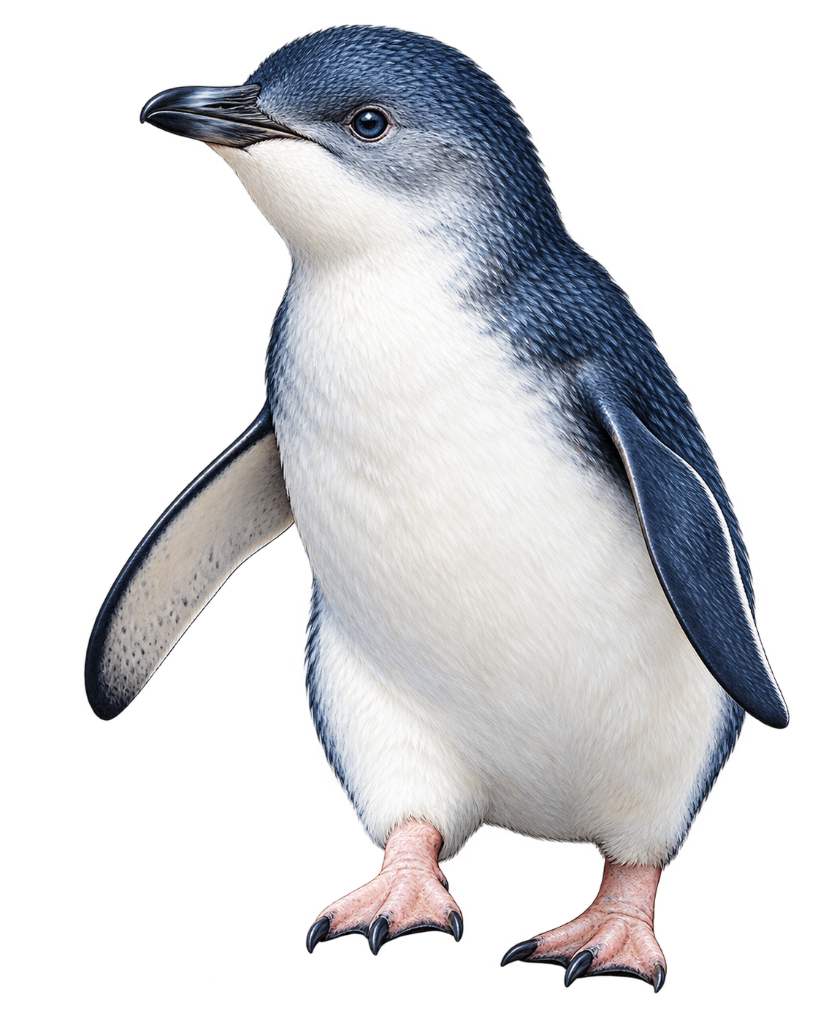
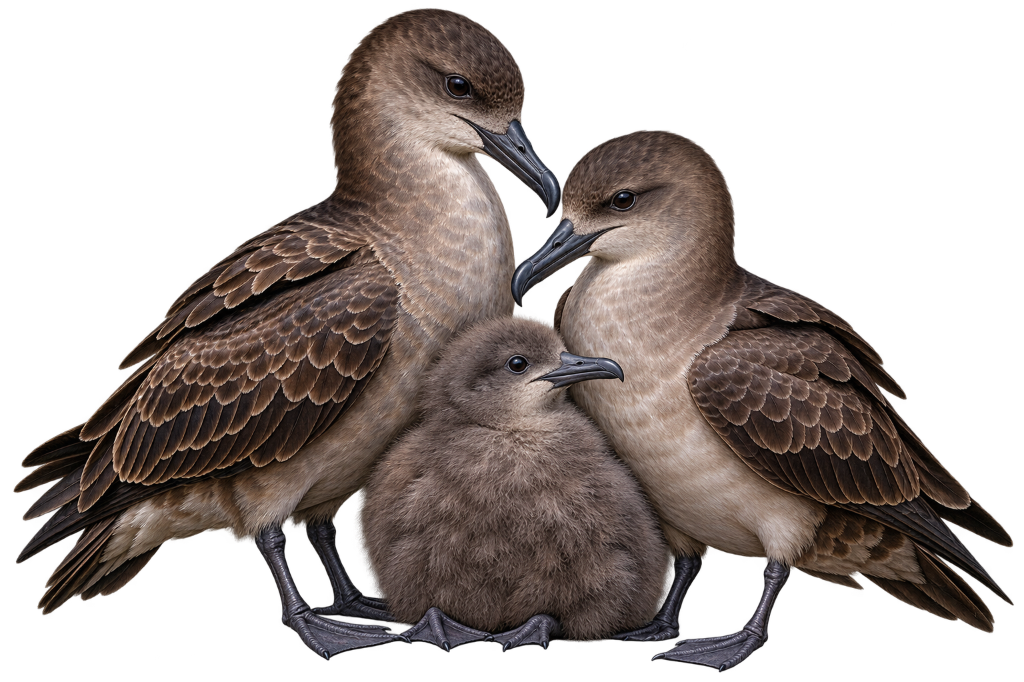
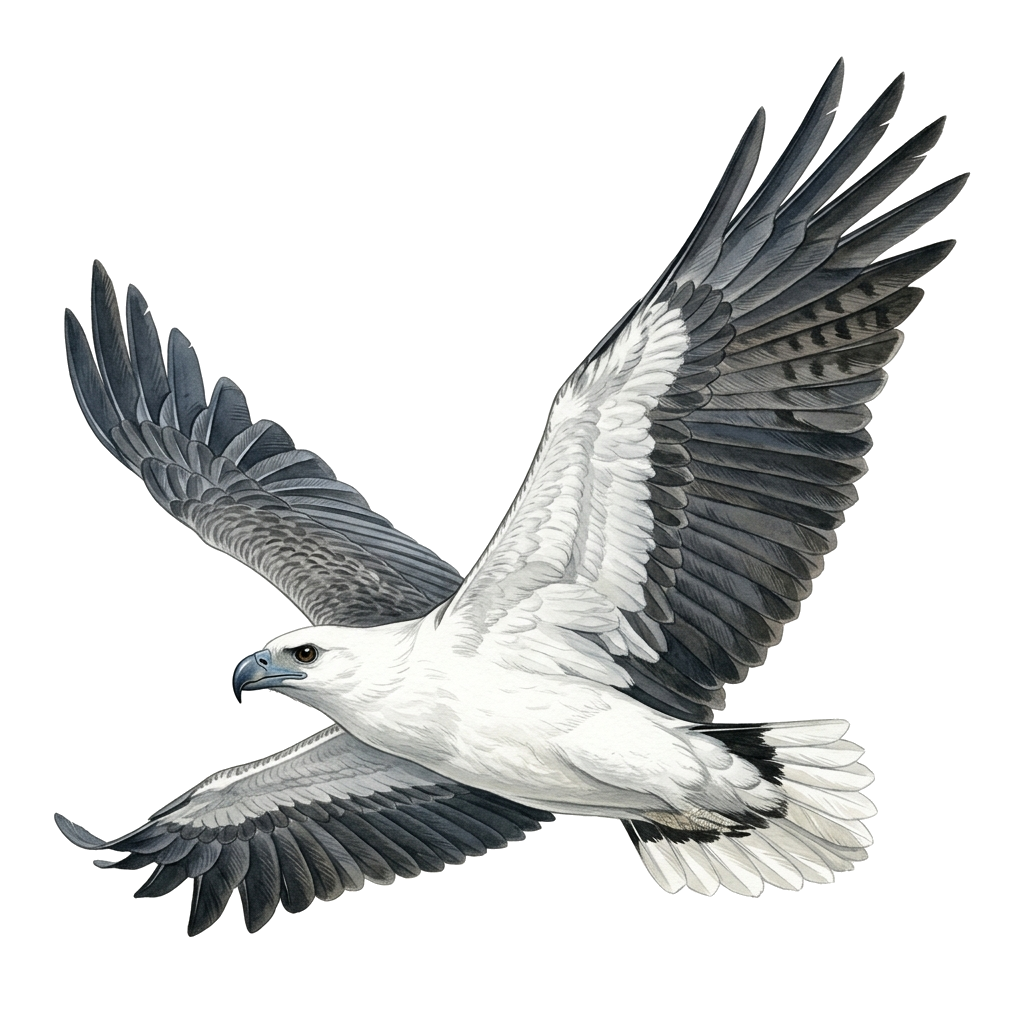
Little Penguins (historic state-significant colony), Short-tailed Shearwaters, and Sea-Eagles.
Explore Birdlife →Marine Mammals & Wildlife
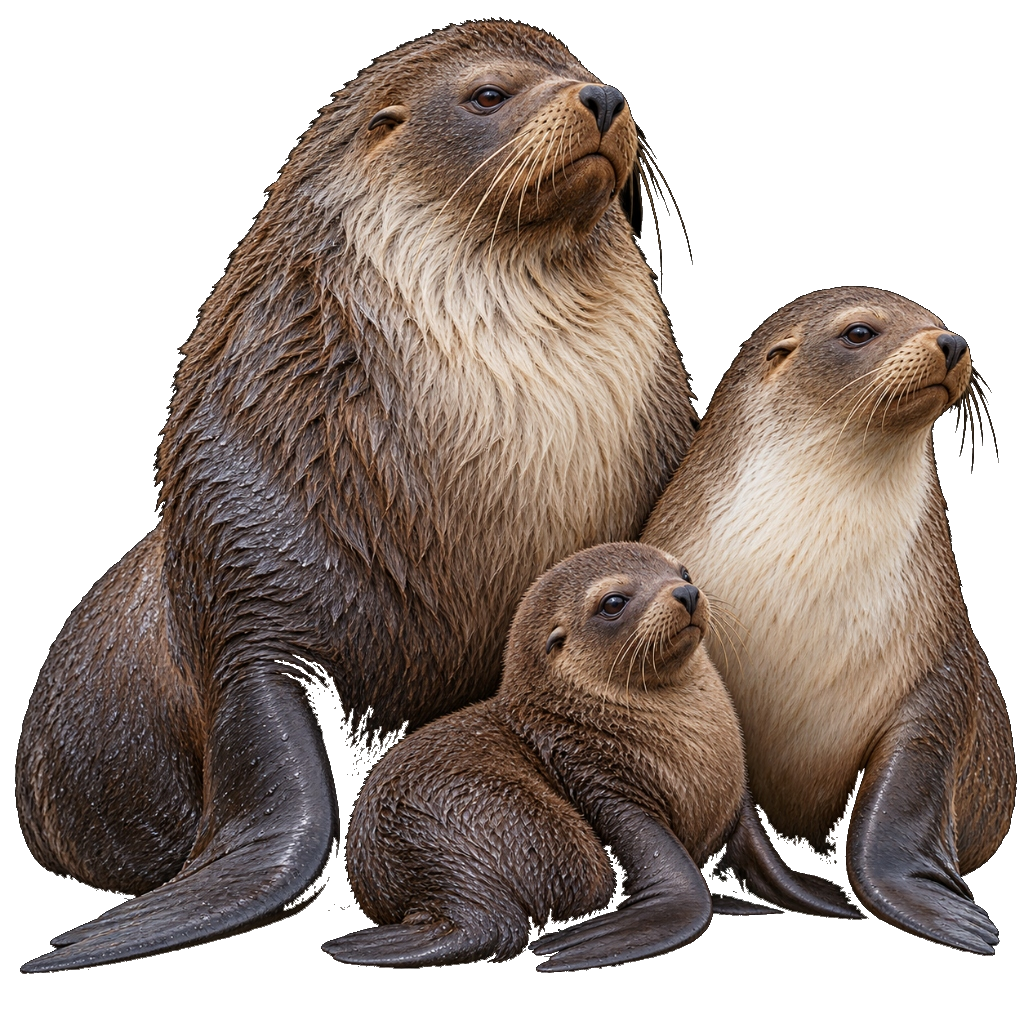
Australian Fur Seals, Humpback Whales, dolphins, and White’s Skinks.
Explore Marine Life →Coastal Flora & Heath
Wind-sheared Coast Beard-heath, succulent Pigface, and salt-marsh flora.
Explore Flora →Water on Gabo
Freshwater springs, historic keeper cisterns, Happy Valley, and rainfall.
Explore Water →What You May See Throughout the Year
Wildlife activity on Gabo Island follows distinct oceanic migrations and breeding seasons.
| Season / Months | Avian Activity | Marine & Mammal Activity | Botanical Highlights |
|---|---|---|---|
| Spring (Sept – Nov) | Hundreds of thousands of Short-tailed Shearwaters arrive from Alaska; Little Penguins commence egg incubation. | Humpback Whales migrate southwards with calves; Fur Seals bask on sunny granite platforms. | Coastal Pigface bursts into vivid magenta bloom across cliff crevices; heath flowers. |
| Summer (Dec – Feb) | Penguin and Shearwater chicks hatch; intense feeding flights and nightly arrivals at dusk. | Pods of Common and Bottlenose Dolphins forage in Santa Barbara Bay; White’s Skinks active on warm rocks. | White berries ripen on Coast Beard-heath; salt-tolerant herbs dry in seaside breezes. |
| Autumn (Mar – May) | Shearwater fledglings depart on trans-Pacific flight; adult Little Penguins undergo annual moult. | Northbound Humpback Whale migration begins past Cape Howe. | Coastal tussocks turn golden; autumn storms deliver heavy seas and sea spray. |
| Winter (June – Aug) | Shearwaters absent in North Pacific; Little Penguins return to burrows at dusk between winter feeding runs. | Southern Right Whales occasionally seen close inshore; Australian Fur Seals frequent outer reefs. | Winter gales sweep the island; lichens on pink granite glow in maritime moisture. |
Documented Island Species
Verified records from the Atlas of Living Australia, Victorian Biodiversity Atlas, and Parks Victoria.
Little Penguin
Eudyptula minor
Gabo Island historically supported one of the world’s largest Little Penguin breeding colonies (20,000–35,000 pairs), though recent scientific censuses document a steep, urgent decline.
Short-tailed Shearwater
Ardenna tenuirostris
Known historically as the muttonbird, hundreds of thousands of shearwaters arrive on Gabo Island in late September after an epic 15,000 km migration from the North Pacific and Arctic waters.
White-bellied Sea-Eagle
Haliaeetus leucogaster
The apex avian predator of the Gabo Island region, White-bellied Sea-Eagles regularly commute from mainland forests to hunt over the island’s immense shearwater and penguin colonies.
Australian Fur Seal
Arctocephalus pusillus doriferus
Australia’s largest marine carnivore. Massive bulls up to 360 kg and females frequently haul out on Gabo and Tullaberga Islands to rest, thermoregulate, and forage.
Long-nosed (New Zealand) Fur Seal
Arctocephalus forsteri
Agile deep-diving pinnipeds distinguished by sharply pointed muzzles and long white whiskers, haunting Gabo’s wave-battered outer rocks.
Humpback Whale
Megaptera novaeangliae
Thousands of Humpback Whales migrate past Gabo Island each year, using the promontory of Cape Howe and Gabo as a natural coastal navigation point.
White’s Skink
Liopholis whitii
A robust, sun-loving lizard commonly observed basking on the warm pink granite outcrops of Gabo Island on calm sunny days.
Coast Beard-heath
Leucopogon parviflorus
A dense, salt-hardy shrub with tiny white bearded flowers that forms the protective backbone of Gabo’s central scrub canopy.
Coastal Pigface
Carpobrotus glaucescens
A succulent groundcover that drapes over pink granite rocks with vivid magenta daisy-like blossoms and thick, three-angled fleshy leaves.